What to know about parking permits for Holland Park removals
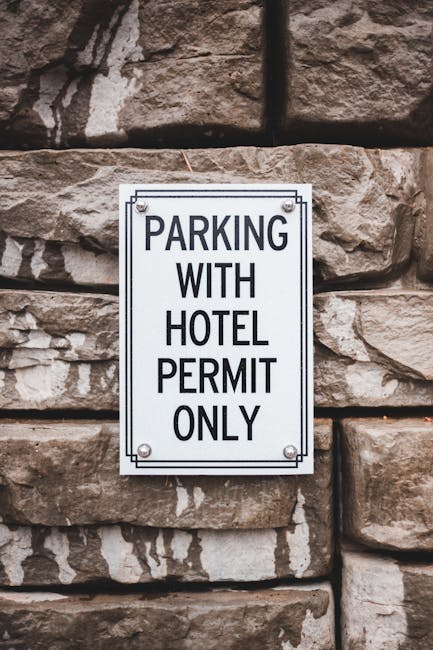
Moving in Holland Park sounds simple enough until you hit the street outside your flat and realise parking is doing its best to ruin the day. That is exactly why What to know about parking permits for Holland Park removals matters so much. A removal van, a tight road, permit bays, visitor restrictions, or a suspended space can turn a neat plan into a stressful shuffle in minutes.
This guide breaks down the practical side of parking permits for a Holland Park move in plain English. You will learn how the process usually works, when a permit is likely to be needed, what can go wrong, and how to keep the whole thing moving without last-minute drama. Truth be told, a little planning here saves a lot of breathing into a paper bag later on.
- Why it matters
- How it works
- Key benefits and practical advantages
- Who needs this and when it makes sense
- Step-by-step guidance
- Expert tips for better results
- Common mistakes to avoid
- Tools, resources and recommendations
- Law, compliance, standards and best practice
- Options, methods or comparison table
- Case study or real-world example
- Practical checklist
- Conclusion
- Frequently asked questions
Why What to know about parking permits for Holland Park removals Matters
Parking is one of those things people only think about once they need it. In a busy London neighbourhood like Holland Park, that can be expensive. A removal vehicle needs space close to the property, ideally for long enough to load, unload, and not block traffic or neighbours. If a van stops in the wrong place, the move can stall, and sometimes penalties follow. Not ideal, obviously.
The real problem is not just the fine risk. It is the knock-on effect. If the van has to park too far away, the team spends longer carrying boxes, furniture, and awkward items up and down pavements or through narrow entrances. That means slower loading, more strain, and more time on the clock. For some moves, especially with larger items, even a few extra metres make a big difference.
Holland Park also has the sort of streets where space can be limited, bay markings are strict, and local parking rules are rarely forgiving. A permit is often less about bureaucracy and more about keeping the move efficient and calm. If you want a smoother day, this is one of the first things worth sorting.
Expert takeaway: parking arrangements are not an admin extra. They are part of the move itself. If you treat them as a side note, the move tends to behave like one big side note too.
How What to know about parking permits for Holland Park removals Works
In practical terms, a parking permit or parking dispensation gives a removal vehicle permission to use a specific bay or stretch of road for a limited purpose and time. The exact rules can vary depending on the street, the type of bay, and whether any temporary restrictions are in place. That is why removals in London are rarely a one-size-fits-all job.
For a Holland Park move, the process normally involves checking whether the removal vehicle can legally stop close to the property, whether a permit is required for a resident bay or shared-use bay, and whether any suspension is needed for a loading space. Sometimes a move can be handled with loading only. Sometimes it needs a formal permit. Sometimes the best answer is a bit of both.
Here is the basic flow in plain language:
- Check the parking restrictions on the street near the property.
- Decide whether the vehicle can lawfully stop for loading or if a permit is needed.
- Arrange the permit or dispensation in advance if required.
- Confirm the vehicle size, move time, and access details.
- Keep a copy of the permit details handy on the day in case anyone needs to verify them.
One small but useful detail: the permit is usually only one part of the access plan. If the route from the van to the front door is awkward, steep, or full of obstacles, the timing can still be affected. So think beyond the parking bay alone.
Key Benefits and Practical Advantages
Getting the parking side right does more than avoid parking headaches. It improves the whole removal experience. That sounds obvious, maybe, but the practical benefits are easy to feel on the day.
- Less delay: the team can start loading or unloading sooner.
- Fewer penalties: proper parking reduces the risk of tickets or complaints.
- Smoother handling: closer access means less carrying and less chance of damage.
- Better planning: the move timetable becomes more realistic.
- Lower stress: you are not watching the clock and the kerb at the same time.
There is also a subtler benefit: permits create structure. When parking is settled in advance, the removal team can focus on the job itself, rather than improvising on the pavement while one eye is on traffic wardens. Nobody enjoys that. Not the movers, not the neighbours, not you.
For households using a man with van or a larger removal vehicle, the value of good parking arrangements becomes even clearer. A compact job may still need only a short stop, while a full house move needs a more deliberate approach. Either way, the parking plan shapes the day.
Who This Is For and When It Makes Sense
Parking permits are not just for huge moves with sofas and wardrobes. They can matter for all sorts of removal situations in Holland Park. If your vehicle has to stop in a regulated bay or shared street, you should at least check the rules before move day. That includes homeowners, tenants, landlords, and businesses shifting premises nearby.
This is especially relevant if you are:
- moving from a flat with limited road access
- relocating from a maisonette or townhouse with no private driveway
- using a larger vehicle or removal truck hire
- planning a timed move with multiple trips
- moving office equipment, filing, or bulky stock
- arranging furniture collection or appliance removal with a vehicle that needs close access
If you are booking home moves or house removalists, parking becomes part of the service design rather than an afterthought. The same is true for commercial moves and office relocation services, where time windows are often tighter and building access rules can be a bit, well, fussy.
When does it make sense to be extra careful? Pretty much always if the street is narrow, the bay markings are strict, or the property sits in a busy part of the neighbourhood. If you have ever watched a van creep around looking for space while boxes wait at the door, you already know the answer.
Step-by-Step Guidance
If you want a straightforward way to handle parking permits for a Holland Park removal, use this sequence. It is simple, but simple is good here.
- Confirm the exact address and access point. A corner entrance, rear mews, or basement flat can change the parking plan completely.
- Look at the street layout. Check whether there are resident bays, pay-and-display bays, loading spaces, or any suspended areas nearby.
- Estimate vehicle size and dwell time. A small van and a large moving truck are not treated the same way in practice.
- Decide who is handling the permit. Sometimes the homeowner or tenant arranges it; sometimes the removal company manages it as part of the booking.
- Book the move around the parking window. Early mornings can be easier, but not always. It depends on the street and traffic conditions.
- Prepare the property for faster loading. Hallways clear, lift booked if needed, boxes labelled, and heavy items ready to go first.
- Keep the permit details available. If there is a reference number, time slot, or vehicle registration requirement, do not leave it buried in your inbox.
One practical tip: if your move includes awkward, bulky, or dirty items, consider pairing the parking plan with related services such as furniture pick-up, mattress and sofa disposal, or fridge and appliance removal. That can reduce how many loads you need to manage on the day.
A lot of move stress comes from timing, not lifting. Solve timing first and the rest starts behaving itself.
Expert Tips for Better Results
Here is the stuff people often learn too late. A permit does not magically solve every access issue, but it does give you a much better starting point.
- Build in a margin. London parking and loading rarely go exactly to plan. Give yourself a buffer.
- Match the vehicle to the job. For some homes, a smaller van is easier to position than a larger truck. That can reduce permit complexity too.
- Use loading time wisely. Have the first items ready near the exit before the vehicle arrives.
- Tell neighbours if the bay will be busy. A polite heads-up can prevent awkward conversations later.
- Watch for suspended bays or cones. A valid-looking space can become unavailable without much warning.
- Keep wet-weather in mind. A rainy London morning makes carrying cardboard and wrapped furniture a little more slippery than anyone likes.
In our experience, the calmest moves are usually the ones where the parking, packing, and access details were all discussed early. Not glamorous, but effective. And honestly, that is what most people want on moving day: effective.
If you are also organising a careful handover of documents or confidential materials, it may be worth looking at confidential shredding as part of the wider move plan. It keeps paper clutter out of the boxes and reduces what has to be carried in the first place.
Common Mistakes to Avoid
Most parking problems during removals are preventable. They happen because the permit question was assumed away. That is the trap.
- Leaving it until the day before. In a busy area, that can be too late.
- Assuming a loading stop is always fine. Rules vary by street and time.
- Not checking the exact vehicle registration. Some arrangements are linked to a specific van.
- Forgetting about building restrictions. Estate rules, concierge requirements, and lift bookings can matter just as much as street parking.
- Ignoring the return leg. If the vehicle needs to come back later, the parking situation may need to be valid again.
- Booking a big vehicle for a tiny access point. Bigger is not always better. Sometimes it is just bigger.
Another common mistake is focusing on the permit while forgetting waste or leftover items. If the move creates appliances, broken furniture, or materials that need separate handling, it is worth considering the relevant disposal route before move day. That includes services such as hazardous waste disposal or recycling and sustainability support where appropriate.
One last thing: do not assume a quick stop will always stay quick. On busy streets, a few minutes can become twenty before you know it. Happens all the time.
Tools, Resources and Recommendations
You do not need a complicated toolkit to handle parking permits well. What you do need is a bit of organisation and the right questions.
Useful things to have ready:
- the full move address, including flat or unit number
- the target moving date and a realistic start time
- vehicle details if a permit must be linked to the van
- photo or written notes about the street, bay markings, or access route
- details of any building rules, lift bookings, or concierge instructions
- a clear list of large items that need loading first
For more complex moves, the right supporting services can make the parking problem smaller. A well-planned packing and unpacking service shortens loading time. A properly sized moving truck can make the move more efficient if the access works for it. And if you want the budget side clear before you commit, the pricing and quotes page is a sensible place to start.
There is also a trust angle here. A removal company that talks about parking, safety, and timing upfront is usually thinking about the whole job, not just the lift of a sofa. That matters.
Law, Compliance, Standards, or Best Practice
This topic touches local parking rules, so it is worth handling carefully. The exact requirements for Holland Park streets can depend on the location, the bay type, and the time of day. Rather than guessing, the sensible approach is to check the relevant restrictions and make sure the move stays within the allowed conditions.
From a best-practice point of view, a good removals plan should aim to:
- avoid obstructing traffic or pedestrians
- use the correct parking arrangement for the vehicle and time slot
- respect resident bays, loading rules, and any temporary suspensions
- keep the move safe for staff, residents, and passers-by
- minimise unnecessary idling, repeated trips, and manual carrying distance
That is not just about avoiding hassle. It also reflects standard professional practice in London removals. In a tight urban environment, safe access and sensible parking are part of the duty of care, alongside handling items properly and protecting the property.
If you are comparing providers, it is worth asking how they approach parking, vehicle selection, and safety. A clear answer is a good sign. A vague answer usually means more improvisation later, and nobody needs that kind of surprise.
For service standards and risk awareness, related pages such as insurance and safety and health and safety policy can also help you judge how seriously the provider treats the move overall.
Options, Methods, or Comparison Table
There is more than one way to handle parking for a Holland Park removal. The best method depends on the property, vehicle, and move size.
| Option | Best for | Pros | Trade-offs |
|---|---|---|---|
| Street parking permit | Moves needing a reserved or authorised bay | Closer access, predictable loading | May require advance planning and specific details |
| Loading-only stop | Short, well-timed jobs with light access needs | Simple if allowed | Can be risky if the stop exceeds the permitted purpose or time |
| Smaller vehicle | Homes with limited kerb space or awkward streets | Easier to position, less intrusive | May need extra trips if the load is large |
| Full-service removal plan | Larger or more complex moves | Better coordination of parking, packing, and transport | Needs more lead time and clearer instructions |
There is no universally perfect option. A small flat move with a few boxes might do fine with a compact van and careful loading. A multi-bedroom house, on the other hand, usually benefits from a more structured parking arrangement and a larger vehicle plan. It depends. Annoying answer, perhaps, but true.
Case Study or Real-World Example
Imagine a two-bedroom flat on a residential street in Holland Park. The residents are moving on a Saturday morning. They have a dining table, a sofa, several boxed books, and a washer-dryer to take out. At first glance, the move seems manageable.
Then the details appear. The nearest bay is restricted, the pavement outside the building is narrow, and the building manager wants the lift booked for a fixed time. If the van arrives without a parking plan, the movers may have to circle the block, park farther away, or wait for a suitable space. That creates a chain reaction. More carrying. More time. More pressure.
Now compare that with a move where parking was discussed in advance. The vehicle is the right size, the access point is confirmed, the loading window is known, and bulky furniture is ready by the door. The team can work steadily, the residents are not rushed, and the whole thing feels a lot more controlled. Still tiring, because moving is moving, but controlled.
That is the difference good parking planning makes. It does not make the boxes lighter, but it does make the day feel less like a scramble.
Practical Checklist
Use this quick checklist before your Holland Park removal day.
- Confirm the exact move address and access details.
- Check whether the street has resident bays, pay-and-display bays, or loading restrictions.
- Decide whether a permit or dispensation is needed.
- Match the vehicle size to the street and volume of items.
- Book any building lift or concierge access required.
- Prepare boxes, labels, and fragile items in advance.
- Set aside large items for first loading.
- Keep permit details and contact numbers easy to find.
- Plan for disposal of items you are not taking with you.
- Leave a little time buffer. You will thank yourself later.
If you are unsure whether your move needs extra access planning, a service like man and van can be a practical fit for smaller or more flexible jobs, while larger property moves often benefit from a more structured approach. Either way, ask the parking question early.
Get a free quote today and see how much you can save.
Conclusion
Parking permits for Holland Park removals are one of those small details that have a very large impact. Sort them early and the move usually feels calmer, faster, and more predictable. Leave them to chance and the day can turn into a series of annoying little delays, which is the last thing anyone wants while carrying a wardrobe downstairs.
The good news is that this part of the job is manageable. Check the street rules, match the vehicle to the access, keep permit details handy, and think through the whole loading route, not just the curb. That simple preparation makes a real difference, especially in a neighbourhood where parking space is often at a premium.
And once the van pulls away and the last box is in place, you will be glad you handled the boring bit properly. Boring is underrated.
Frequently Asked Questions
Do I always need a parking permit for a Holland Park removal?
Not always. It depends on the street, the bay type, the time of day, and how long the vehicle needs to stop. Some moves can be handled with loading access alone, while others need a formal permit or parking dispensation.
Who usually arranges the permit for a house move?
It varies. Sometimes the resident arranges it, especially if local parking details are tied to the property. In other cases, the removal company handles the arrangement as part of the move planning. The key is to agree this early.
How far in advance should I sort the parking?
As early as possible. In a busy area like Holland Park, parking arrangements can affect the vehicle choice and move timing, so it is best not to leave it until the last minute.
Can a removal van just stop for loading outside my flat?
Only if the local restrictions allow it. Some streets permit loading for a short period, while others do not. Assuming it is fine is where people get caught out.
What happens if the van cannot park close to the property?
The movers may have to carry items farther, which adds time and effort. In some cases, the schedule gets pushed back. That is why the access plan matters so much.
Does vehicle size affect parking permit needs?
Yes, it can. Larger vehicles may be harder to position in narrow streets or limited bays, and the access challenge may influence whether a permit, smaller van, or different loading plan makes more sense.
Are permits important for office relocation too?
Absolutely. Office moves often involve tighter time windows, larger item counts, and building rules. Parking and loading access can be just as important as the packing itself.
What should I tell the removal company about parking?
Share the exact address, the access point, any bay restrictions, building rules, lift bookings, and whether the street is narrow or busy. The more detail you give, the better they can plan.
Can parking problems delay my move?
Yes. If the vehicle has to search for legal space or park farther away, loading and unloading usually take longer. Even a short delay can ripple through the whole day.
Is a smaller van better for Holland Park streets?
Sometimes, yes. Smaller vans can be easier to place on tight streets and may reduce parking stress. But if the move volume is large, the trade-off is extra trips. The right choice depends on the property and load.
What if I need to dispose of items during the move?
Plan for that in advance too. Separate disposal, recycling, or specialist removal can reduce clutter on the day and keep the loading process cleaner. It is one less thing to think about, thankfully.
How do I know whether my move needs professional help with parking planning?
If the street is busy, the access is tight, or the move includes bulky furniture, it is usually sensible to get help. Professional movers deal with these constraints often, and they can usually spot the practical issues before they become problems.
Where can I learn more about the company behind these services?
You can read more about the team on the about us page or get in touch through the contact us page if you want to talk through the details of your move.