Insider tips for tight stair removals in Holland Park
Moving bulky furniture down a narrow staircase can feel like a miniature engineering project, especially in Holland Park where period conversions, elegant townhouses, and compact upper-floor flats often come with awkward turns, steep rises, and bannisters that seem to be working against you. If you are facing tight stair removals in Holland Park, the good news is that this is rarely a luck-only job. With the right preparation, a calm process, and a few insider tricks, you can make the move safer, faster, and far less stressful.
This guide pulls together the practical know-how people usually learn the hard way: how to measure properly, what to dismantle before you start, when a two-person carry is enough, and when it is smarter to bring in experienced help. You will also find a useful checklist, a comparison table, and some plain-English best practice advice so you can make a sensible decision before the heavy lifting begins. Let's face it, no one wants to discover halfway down the stairs that the sofa was never going to turn that corner.
Table of Contents
- Why tight stair removals in Holland Park matter
- How the process works
- Key benefits and practical advantages
- Who this is for and when it makes sense
- Step-by-step guidance
- Expert tips for better results
- Common mistakes to avoid
- Tools, resources and recommendations
- Law, compliance, standards, or best practice
- Options, methods, or comparison table
- Case study or real-world example
- Practical checklist
- Conclusion
- Frequently asked questions
Why tight stair removals in Holland Park matters
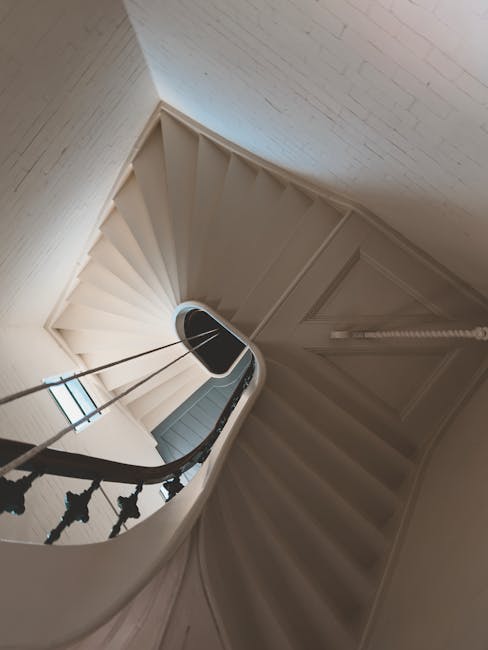
Staircase removals sound simple until you see the staircase itself. In Holland Park, the challenge is often not just the item being moved; it is the route. Narrow landings, tight headroom, awkward twists, polished walls, and old wooden rails can all turn a routine move into a very delicate one.
Why does this matter so much? Because most damage during a stair carry does not happen to the item alone. It happens to walls, paintwork, doors, bannisters, light fittings, and sometimes to the people carrying the load. A single slip can scratch a staircase or pinch fingers. And if you're moving something like a wardrobe, sofa, mattress, sideboard, or appliance, the item itself can be damaged too. Nobody wants to hear that ugly scraping sound halfway down the stairs. You know the one.
There is also the local context. Holland Park properties often combine charm with inconvenience, which is lovely until you need to pivot a tall bookcase in a space that feels too small for a broom cupboard. A careful approach saves time and helps protect the building, which matters whether you are leaving a rental, selling a property, or simply trying not to annoy your neighbours with unnecessary bumps and thuds.
If you are planning a full property move rather than a single-item carry, it can help to look at broader support such as home moves or, for larger projects, house removalists. Those services are often a better fit than improvising a difficult stair job on your own.
How tight stair removals in Holland Park works
A successful tight stair removal is part planning, part technique, and part restraint. The goal is not to muscle everything through. The goal is to create enough space and control so the item can move safely without stressing the staircase or the people carrying it.
In practice, the process usually looks like this:
- Assess the item and the staircase. Measure both. Check height, width, depth, turning space, and rail clearance.
- Strip the item down where possible. Remove legs, shelves, doors, cushions, drawers, and detachable fittings.
- Clear the route. Take away rugs, frames, shoes, bins, and anything else that will get in the way.
- Protect surfaces. Use blankets, corner guards, and grip gloves if needed.
- Plan the carry path. Decide where each person will stand, when to pause, and how to rotate the load on turns.
- Move slowly and communicate. Short instructions work best. "Stop." "Tilt." "Up a touch." "Hold."
- Adjust when the plan is not working. If the angle is wrong, step back and rethink. Do not force it.
That last point is the one many people ignore. A furniture removal that looks impossible from the landing may become manageable once a leg is removed, the mattress is stood on edge, or the item is wrapped to improve grip. Small changes often make the biggest difference. It sounds obvious, but in the moment, people forget.
If you need help with loading a vehicle after the stair carry, a service like man with van or man and van can be a practical next step, especially when the move includes a few awkward pieces rather than a whole house full of furniture.
Key benefits and practical advantages
The main benefit of doing tight stair removals properly is simple: fewer problems. But there are a few specific advantages worth spelling out.
- Less risk of damage to walls, skirting, banisters, and furniture edges.
- Better control on tight corners and steep staircases.
- Safer lifting for everyone involved, particularly in older buildings with awkward geometry.
- Faster completion once the route is planned, because you are not stopping every thirty seconds to rethink the angle.
- Less stress on move day, which is honestly worth a lot on its own.
There is also a practical benefit that often gets overlooked: better communication. When you know how a tricky item will be taken down the stairs, you can brief everyone clearly. That means fewer crossed wires, fewer near-misses, and less of that frantic "wait, turn it the other way" chatter that tends to happen when no one has agreed on a plan.
Expert summary: The best tight stair removals are rarely the strongest ones. They are the most prepared ones. Measure first, strip the item down, protect the route, and only then start moving. A calm plan beats raw effort almost every time.
If you are comparing moving support, it may also be useful to review pricing and quotes before the move. Knowing the likely scope in advance helps avoid rushed decisions and gives you a clearer sense of whether a specialist team is the better option.
Who this is for and when it makes sense
This topic matters to anyone dealing with furniture or appliances in a property where the staircase is more of a puzzle than a passage. But some people benefit from it more than others.
You will likely find this especially useful if you are:
- leaving a flat with a narrow internal staircase;
- moving into a top-floor apartment in a period property;
- trying to remove a sofa, mattress, fridge, wardrobe, or heavy desk;
- working around a shared stairwell where noise and timing matter;
- handling an end-of-tenancy move where the landlord will inspect for marks;
- planning a same-day move and need the route to work the first time.
Sometimes the right answer is not "can we get it down there?" but "should we dismantle it, or should we use a different removal method altogether?" That is a fair question. Truth be told, if an item has to be twisted hard enough to make everyone wince, you are probably on the wrong track.
This is also relevant for small business moves in converted buildings. A compact office might have filing cabinets, desks, or shredding machines that look perfectly manageable at ground level but become a headache once you meet a sharp turn on the stairs. In those cases, commercial moves or office relocation services may be the more efficient route, particularly if there are multiple items and a fixed time window.
Step-by-step guidance
Here is a straightforward way to handle tight stair removals without turning the day into chaos.
1) Measure everything properly
Measure the item at its widest, tallest, and deepest points. Then measure the staircase width, landing depth, ceiling height, rail clearance, and any awkward sections such as a turning point or boxed-in radiator. If you only measure the obvious bit, you are half-prepared. It happens all the time.
A tape measure is not glamorous, but it is your best friend here. Measure twice. Write it down. Then check the route again with your eyes, because a tape cannot tell you if a bannister post creates a hidden snag.
2) Strip the item down before moving
Take off anything you can safely remove. That includes doors, handles, table legs, shelves, feet, cushions, and loose hardware. Wrap any screws in labelled bags so reassembly is less annoying later. This is one of the easiest ways to reduce bulk and improve control.
For sofas and mattresses, removing detachable feet or headboards can make an enormous difference. For wardrobes, removing doors can transform a bulky piece into something that turns more easily. Small adjustment, big result.
3) Protect the route
Use blankets, padding, and corner protection on contact points. If you have a narrow stairwell, it is worth covering the edge where the item is likely to graze. A few minutes of protection can save a lot of repair stress later.
In older buildings, soft protection matters even more because paint and plaster can mark quickly. You may not notice the scrape during the move, but you will notice it later. Usually the moment you put the keys on the table and breathe out.
4) Decide who leads and who follows
One person should call the move. The second person follows those instructions exactly. Too many voices create confusion, especially on turns. If there are three or four people around, keep most of them out of the immediate path unless they are helping with a very specific role.
Clear language helps: "lower," "raise," "hold," "pause," "pivot." That is enough. You do not need a full committee meeting on the stairs.
5) Move in short controlled stages
Break the stair carry into stages. Set the item down safely on landings when needed. Re-grip. Reassess. Then continue. Rushing tends to make the load wobble, and wobble is exactly what you do not want near a sharp corner or a polished wall.
6) Stop if the angle is wrong
If the item does not turn cleanly, stop. Do not force it. Re-think the angle, remove another component, or consider whether another route is possible. On a tight staircase, one extra minute of thinking can save twenty minutes of trouble.
7) Load the vehicle carefully
Once the item is out of the building, the job is not finished. Secure the piece in the vehicle so it does not shift in transit. If the move is part of a larger relocation, a suitable moving truck or removal truck hire option may make the rest of the day much easier.
Expert tips for better results
These are the small things that tend to make the biggest difference in real life.
- Use friction to your advantage. A secure grip is better than a rushed lift. Gloves can help, but only if they do not make the item slippery.
- Remove the heaviest side first. On some items, shifting the centre of gravity slightly makes turns less awkward.
- Think vertically as well as horizontally. Sometimes tilting the item upright is the only way to clear the landing.
- Take a photo before dismantling. Future you will be grateful when it is time to put everything back together.
- Keep small parts in one container. It sounds basic, but missing screws are a classic move-day headache.
- Protect your hands and backs. Good lifting posture is not about looking careful; it is about still being able to function the next day.
One often-missed trick is to pre-position the route so the turn at the top or bottom of the stairs is as open as possible. Move chairs, shoes, and side tables before the carry starts. It sounds tiny. It is not tiny.
Another useful habit is to walk the route once without the item. Just imagine the movement. Where would the elbow of the sofa go? Where would the fridge snag? Where is the narrowest point? This little mental rehearsal can reveal problems before they become actual problems. Sounds slightly nerdy, but it works.
Common mistakes to avoid
Most difficult stair removals go wrong for very ordinary reasons. The good news is that these are avoidable.
- Not measuring the full route. The item may fit at the doorway but fail at the turn.
- Forgetting ceiling height. This is a classic issue on stairwells with overhanging landings.
- Moving before clearing obstacles. A single umbrella stand or plant pot can become a trip hazard.
- Using too many helpers. More people often means more confusion, not more control.
- Skipping protection for surfaces. One careless bump can leave a visible mark.
- Trying to force a piece that clearly needs dismantling. Sometimes the item is telling you something. Listen to it, weird as that sounds.
- Leaving the loading plan until the last minute. The stair carry is only half the job if the vehicle is poorly organised.
A particularly common mistake in Holland Park properties is underestimating how tight Victorian or converted staircases can be after you account for banisters, wall returns, and the turn at the half landing. The bare width of the stairs can look fine on paper, but the actual usable space is often much less.
Tools, resources and recommendations
You do not need a warehouse of specialist equipment, but a few simple tools make a real difference.
| Tool or item | Why it helps | Best use case |
|---|---|---|
| Tape measure | Checks item size, stair width, and landing space | Always, before any carry starts |
| Furniture blankets | Protects surfaces and improves grip on some items | Sofas, wardrobes, tables, appliances |
| Work gloves | Improves hand protection and grip | General moving tasks |
| Ratchet straps | Helps secure items in a vehicle | Transport after the carry |
| Corner guards | Reduces impact on tight turns | Narrow hallways and stair edges |
| Labels and bags | Keeps screws and fittings together | Any item that is dismantled |
If the item is no longer worth moving, or you are replacing it altogether, it may be better to arrange disposal instead of forcing a difficult carry. Services such as mattress and sofa disposal, fridge and appliance removal, or furniture pick up can be a cleaner solution when the cost and stress of stair removal outweigh the item's value.
If you are clearing several items at once and want to stay organised, a service like packing and unpacking services can also reduce the risk of last-minute scrambling. Honestly, having one part of the move already under control helps more than people expect.
Law, compliance, standards, or best practice
For stair removals, the main concern is not niche legislation; it is sensible working practice, building respect, and basic safety. In the UK, any moving job should be carried out with care for people and property, and that includes avoiding preventable damage or unsafe lifting. If you are in a shared building, it is also considerate to minimise obstruction and noise, especially at busy times.
For heavier items, best practice generally means using adequate help, lifting in a controlled way, and not attempting a move that exceeds the available space or your physical capacity. That is especially important if stairs are steep, slippery, or awkwardly lit. A poorly lit landing at 7am with a heavy cabinet is not the moment for heroics.
It is also wise to check insurance and liability arrangements before you start. If a professional team is involved, review their insurance and safety approach, along with their health and safety policy, so expectations are clear. If you are booking online or paying in advance, payment and security information is worth reviewing too. That is not overcautious. It is just sensible.
If waste or unwanted items are part of the move, check disposal routes in advance. Hazardous or awkward materials should never be treated casually. For items that need careful handling, hazardous waste disposal and recycling and sustainability are useful topics to look at before loading anything into a vehicle or skip. And for general guidance on what belongs where, what can go in a skip can help avoid mistakes. Better to check than guess.
Options, methods, or comparison table
Not every tight stair removal should be handled the same way. The best method depends on the item, the staircase, and how much risk you are willing to take on.
| Method | Best for | Pros | Limitations |
|---|---|---|---|
| Manual carry with two people | Smaller furniture, light appliances | Quick, cost-effective, simple | Not suitable for very tight turns or oversized items |
| Partial dismantling | Wardrobes, tables, beds, sofas | Often the best balance of control and effort | Needs time, tools, and careful reassembly |
| Professional removal support | Heavy or awkward pieces, shared buildings | More controlled, less damage risk, more confidence | Usually costs more than doing it yourself |
| Replacement or disposal instead of moving | Worn, low-value, or hard-to-rescue items | Avoids unnecessary risk and labour | Not suitable if you still need the item |
In a typical Holland Park flat, a sofa that looks like a simple two-person lift may actually be the best candidate for dismantling or specialist help. On the other hand, a compact dining table might be easier than expected once the legs are removed. The item decides more than people think.
Case study or real-world example
A very typical scenario goes like this: someone is moving out of a top-floor flat in Holland Park on a damp Thursday morning. The staircase is narrow, the half-landing is tight, and the main item is a three-seat sofa with chunky arms. At first glance, it looks impossible.
The first move is to measure properly and remove the feet. That alone saves just enough height to help on the turn. Next, the team clears the hallway, pads the wall corner, and rotates the sofa upright at the landing rather than trying to keep it flat. The person leading the carry gives short instructions, the second person mirrors the movement, and the whole thing comes down in stages. No drama. No dented wall. No red faces.
What made the difference? Not strength. Planning. The item still needed care, and there was one moment where everyone paused for a breath because the angle looked wrong. That pause saved the move. A tiny decision, but it mattered.
In another case, a small office relocation involved a heavy cabinet that would not clear the stair rail. Instead of forcing it, the team removed the doors and shelves, then carried the carcass separately. That turned a risky job into a routine one. Simple, yes. Obvious only in hindsight. Funny how that works.
Practical checklist
Use this before you start the move. It keeps the day steady.
- Measure the item at its widest points.
- Measure every part of the stair route, including landings.
- Check for bannister posts, low ceilings, and tight corners.
- Remove doors, legs, shelves, cushions, and loose fittings.
- Label screws and small parts.
- Clear shoes, rugs, plants, and clutter from the path.
- Protect walls, corners, and rail edges.
- Assign one person to call the move.
- Wear suitable footwear and gloves.
- Decide in advance when to stop and reassess.
- Check transport and loading space before the item reaches the door.
- Choose disposal or replacement if the item is not worth the risk.
If you want a broader moving plan rather than a single-item solution, you may find it useful to explore man with van alongside the more specific moving support above. That can help you match the service to the job instead of overpaying or under-preparing.
Conclusion
Tight stair removals in Holland Park are one of those jobs that reward patience, planning, and just a little humility. The staircase may look unfriendly, but most problems can be managed if you measure properly, strip items down, protect surfaces, and move in controlled stages. When the space is especially awkward, the smartest move is often to ask for help rather than gamble with the walls, the furniture, or your back.
And that is really the heart of it. The best move is the one that gets finished without turning into a story you never want to tell again.
Get a free quote today and see how much you can save.
Whether you are moving one difficult piece or planning a full property clearance, a careful approach now usually means less stress later. That small bit of calm on move day goes a long way.
Frequently Asked Questions
How do I know if my furniture will fit down a tight staircase?
Measure the furniture at its widest and tallest points, then measure the stair width, landing depth, and any turns. If the item only fits when perfectly straight, it may still fail on the corner.
What is the best way to move a sofa down a narrow staircase?
Usually the best approach is to remove the feet or any detachable parts, protect the route, and carry it in a controlled upright or semi-upright position. Two people are often enough, but only if the stair geometry is kind.
Should I dismantle furniture before a stair removal?
Yes, if it can be done safely. Removing doors, legs, shelves, and cushions often makes the difference between a clean move and a blocked landing.
What furniture items are hardest to remove on tight stairs?
Large sofas, wardrobes, mattress bases, sideboards, tall bookcases, and some appliances tend to cause the most trouble because they are bulky and awkward to turn.
Is it safer to hire professionals for difficult stair removals?
Often, yes, especially if the item is heavy, expensive, fragile, or the staircase is very narrow. A professional team can reduce the risk of damage and make the process much calmer.
How can I protect my walls and bannisters during a move?
Use blankets, corner guards, and careful route planning. It also helps to clear the staircase completely before the item starts moving.
What should I do if the item gets stuck halfway down the stairs?
Stop immediately, keep the item steady, and reassess the angle. If needed, move back to the last safe landing and try a different rotation or dismantle another part of the item.
How much time should I allow for a tight stair removal?
Allow more time than you think. A simple move can take only a few minutes, but a narrow stairwell can slow things down quickly. Extra planning time before the carry usually pays off.
Can a man and van service help with awkward stair moves?
Yes, in many cases. If the service includes practical loading help, it can be a good fit for bulky items, especially when the move is not a full household relocation.
What if I only need to remove one old item rather than move it?
Then disposal or collection may be the better route. For example, sofa, mattress, appliance, or general furniture removal can make more sense than trying to move something you no longer need.
Do I need special equipment for tight stair removals?
Not always. A tape measure, gloves, furniture blankets, and some basic protection for the route are often enough. For tougher jobs, straps and extra padding can help.
What is the biggest mistake people make with stair removals?
Usually it is underestimating the turning space. People measure the stairs but forget about the landing, bannister, and ceiling height. That is where the job usually changes character.