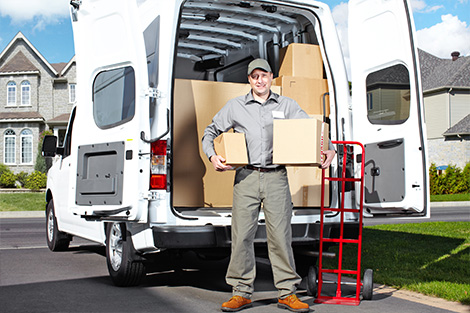
Holland Park station pickup and removals tips
If you have ever tried to organise a pickup near a busy London station, you will know the feeling: one wrong turn, a couple of impatient drivers behind you, and suddenly a simple collection becomes a small logistical puzzle. These Holland Park station pickup and removals tips are here to make that puzzle much easier to solve. Whether you are moving a flat, collecting furniture, handling a student move, or arranging a van for a one-off pickup, the area around Holland Park calls for a bit of planning and a calm head.
That is especially true around station access points, narrow residential streets, and the usual London mix of parking restrictions, school-run traffic, and awkward loading spaces. In our experience, the difference between a smooth job and a stressful one is rarely the van itself. It is usually the timing, the route, the loading plan, and knowing exactly where the handover will happen. Let's face it, the details matter.
This guide covers how station pickup and removals around Holland Park work, what to watch out for, how to plan better, and which practical steps make the biggest difference on the day. It also includes a checklist, comparison table, compliance notes, and answers to the questions people actually ask.
Why Holland Park station pickup and removals tips Matters
Holland Park sits in a part of West London where time, space, and access are often tighter than you expect. That matters because pickup and removals jobs live or die on access. If the van cannot stop safely, if the route is too tight for the vehicle you booked, or if the collection window clashes with peak traffic, even a straightforward job can turn into a longer, costlier day.
Another reason this topic matters is the mix of property types nearby. You have mansion flats, terraces, apartment blocks, mews streets, and the occasional awkward basement or first-floor walk-up. Different properties create different moving challenges. A small sofa, for example, might be easy to carry but still awkward to turn through a narrow stairwell. A washing machine may be simple to load but hard to manoeuvre if the parking spot is too far away.
There is also the station factor itself. Stations attract taxis, private cars, pedestrians, cyclists, and people trying to stop "just for a minute". That minute is usually not a minute. It is more like a small traffic jam with a hazard light on. Good planning helps you avoid that mess before it starts.
For anyone comparing local moving support, it can help to look at broader service pages too, such as man and van support in Holland Park or the more specific same-day delivery options if your collection is time-sensitive. Those pages are useful when a pickup becomes more than a quick errand.
How Holland Park station pickup and removals works
At a practical level, station pickup and removals usually follow a simple pattern: confirm what is being moved, decide where the handover happens, choose the vehicle size, then schedule the pickup around access and traffic. Simple on paper. In real life, the handover point is where most jobs either succeed or wobble.
Near Holland Park station, the main question is rarely "Can the items be moved?" It is "Where can the vehicle stop safely, and for how long?" If you are collecting from a shop, a platform-adjacent meeting point, a nearby street, or a residential address a few minutes away, the stop location should be agreed before the vehicle arrives. Otherwise the driver is left circling, and nobody enjoys that.
Pickup jobs often involve one of four common scenarios:
- Station-adjacent collection - meeting someone nearby and transferring items quickly.
- Home-to-home removal - moving furniture or boxes from a property close to the station.
- Retail pickup - collecting a purchase from a local seller or store.
- Short-notice transport - same-day or next-day delivery when timing matters.
The best approach depends on weight, size, parking, and whether you need help carrying items upstairs or through tight communal areas. If your job involves multiple bulky items, it is worth reviewing general moving support like removals in Holland Park rather than treating it as a basic point-to-point pickup. That distinction matters more than people think.
One more thing: a job can look "small" but still need proper removals planning. A pair of wardrobes, a few boxes, and a mirror can consume a van faster than expected. The shape of the items matters almost as much as the quantity. Truth be told, awkward items are the ones that slow everything down.
Key Benefits and Practical Advantages
When you plan station pickups and removals properly, the benefits are immediate and very tangible. Less waiting around, fewer parking headaches, reduced damage risk, and a calmer handover. That calm part is not fluffy; it changes the whole pace of the job.
Here are the main advantages:
- Better time control: You reduce delays caused by congestion, confusing meeting points, or missed access windows.
- Lower risk of damage: Items are loaded once, handled properly, and moved with less rushed lifting.
- Less stress for everyone: Clear instructions mean fewer texts, fewer calls, and less standing around on the pavement.
- Improved cost efficiency: When a move is planned well, you are less likely to pay for wasted time.
- Safer loading: A proper stop point and correct carrying technique reduce injury risk.
There is also a trust benefit. If you are meeting a seller, tenant, landlord, office team, or relative, turning up on time and handling the collection neatly makes a good impression. That can be worth more than people admit. Nobody remembers the van colour. They remember whether you were organised.
For repeated collections or business deliveries, it can also help to think in terms of service continuity. A provider offering flexible transport, collection help, and local area knowledge will usually save you more hassle than a one-off bargain quote that does not account for access problems.
Who This Is For and When It Makes Sense
These tips are useful for anyone trying to move items around Holland Park station without drama. That includes private residents, renters, landlords, small businesses, interior designers, online sellers, and people doing one-off pickups from shops or storage.
You will likely benefit most if you are in one of these situations:
- You need to collect bulky or fragile items from close to the station.
- You are moving from or to a flat with awkward stairs or limited access.
- You need a same-day or tight-window pickup.
- You are coordinating between multiple people and want fewer delays.
- You are trying to avoid parking penalties, unsafe unloading, or unnecessary carrying distance.
It also makes sense if you are not fully sure what vehicle size you need. That is a common issue. A job can start as "just a few boxes" and end with a sofa, a lamp, two suitcases, and something that turns out to be heavier than it looks. Happens all the time.
If your move is tied to a wider home relocation, it may be helpful to read related guidance on house removals in Holland Park or student moves in Holland Park if you are moving on a tighter budget and timetable. Different move types need different planning.
Step-by-Step Guidance
A good pickup near Holland Park station starts before the van arrives. The job should already be mentally mapped out. Where will the vehicle stop? Who is meeting it? Which items come out first? Which way do they fit in the van? Small questions, big difference.
- Confirm the exact pickup point. Do not leave it as "near the station". Use a specific street, entrance, building name, or landmark that both sides understand.
- List every item clearly. Include size, weight, and whether anything is fragile, awkward, or needs two people.
- Check access in advance. Think about stairs, lifts, narrow hallways, intercoms, and whether there is a loading bay or kerbside stop nearby.
- Choose the right vehicle. Too small and you risk a second trip; too large and you may struggle with local access or parking.
- Allow time for traffic and loading. London timing is rarely exact. Build in a buffer, especially around school-run or commute periods.
- Protect the items properly. Use blankets, straps, wraps, and boxes where needed. A bit of preparation prevents a lot of regret.
- Agree who handles carrying. If help is needed upstairs or through a shared entrance, make that clear before the day.
- Keep your phone charged and reachable. It sounds obvious. Still worth saying.
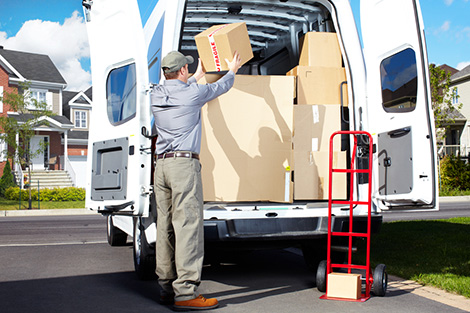
One useful habit is to create a mini loading order before the vehicle arrives. Put the heaviest and most stable items in first, then build around them with lighter boxes and soft items. That way the van is safer to drive, and unloading is less chaotic. For a short local transfer, that can save ten to fifteen minutes easily.
If you are booking a more comprehensive move, you may also want a service that handles both packing and transport, especially when there are fragile items or a long list of things to organise. A page like packing services can be a useful next step if you want the job prepared more carefully.
Expert Tips for Better Results
Here is where the little details really pay off. Most smooth jobs are not lucky. They are simply well thought through.
1. Avoid the "we'll sort it on the day" approach.
That works until it does not. Near a station, hesitation can cost you parking space and time. Decide the plan early, even if the move is small.
2. Photograph bulky items before collection.
Not for drama, just for clarity. A quick photo helps the mover judge size, shape, and whether the item will fit through a doorway or into a lift.
3. Measure the awkward bits, not just the item itself.
Door widths, stair turns, lift height, and hallway corners are what catch people out. The item may fit the room and still fail at the staircase. A classic little nuisance.
4. Use soft packing for mixed loads.
Blankets, towels, and cushions can protect surfaces and fill gaps. They are especially handy for mixed furniture and box loads on short trips.
5. Build a buffer around local traffic patterns.
London traffic around busy areas can change quickly. A 20-minute buffer is often more realistic than a fantasy timetable. Better to arrive slightly early and wait than to arrive flustered.
6. Keep the handover simple.
If several people are involved, nominate one person to give instructions. Too many voices at the kerbside is rarely helpful.
7. Ask about assistance levels before you book.
Some jobs need full loading help, others just a van and driver, and some need help with stairs or assembly. Getting that straight up front avoids awkward surprises.
Expert summary: the best pickup or removal job near Holland Park is the one that is planned around access first and items second. If the vehicle can stop safely, the route is clear, and everyone knows the handover point, the rest tends to fall into place.
Also, do not underestimate the power of one clear message. A short text with the street name, meeting point, and item list can prevent a surprising amount of confusion. Simple. Effective. Lovely when it works.
Common Mistakes to Avoid
Most moving problems are avoidable. They are not usually caused by bad luck, just incomplete planning. Here are the mistakes that come up again and again.
- Giving vague location instructions. "Near the station" is not enough when roads are busy.
- Booking the wrong vehicle size. A small van can be ideal for access, but not if the load will not fit.
- Ignoring parking realities. If there is nowhere legal to stop, the whole job becomes harder.
- Forgetting about stairs or lifts. These affect time, safety, and how many people you need.
- Packing badly. Loose items move, scratch, and waste space.
- Assuming the job is faster than it is. It often is not. Even a local pickup can take longer than expected if the route is tight.
- Leaving fragile items unmarked. Glass, mirrors, artwork, and electronics need clear handling notes.
Another common issue is failing to match the service to the job. A simple collection might only need a straightforward vehicle and driver. But if there are stairs, multiple large pieces, or a time-critical handover, you may need a more complete moving service. That is where local support pages such as commercial removals in Holland Park can be helpful for offices or business assets.
And one more thing: do not assume the shortest route on the map is the easiest for a van. Sometimes a slightly longer road is far quicker because it avoids awkward turns, busier junctions, or restricted stopping areas.
Tools, Resources and Recommendations
You do not need fancy equipment to organise a good pickup, but a few practical tools make life much easier. Nothing glamorous here. Just sensible bits and pieces that save time and protect the load.
- Measuring tape: Useful for doorways, furniture dimensions, and lift openings.
- Mobile phone with battery charge: Essential for day-of coordination.
- Boxes and labels: Helps separate fragile items from heavier, less delicate ones.
- Blankets or wraps: Good for protecting furniture during transport.
- Straps or ties: Keep items from shifting inside the vehicle.
- List of items: A simple written inventory prevents forgotten pieces.
- Photos of access points: Handy if the pickup point is tricky to describe.
If you are dealing with old furniture, unwanted clutter, or a property that needs clearing before a handover, you may also want to look at clearance services. For garden or outdoor items, garden clearance can be relevant too, especially if the pickup includes broken or bulky outdoor pieces.
For wider moving support, a general overview of man with van services in Holland Park can help you compare the level of assistance you actually need. Not every move needs full removals support, and that is fine.
Law, Compliance, Standards, or Best Practice
Without getting bogged down in legal detail, there are a few best-practice points worth keeping in mind for station pickups and removals in London. These are common-sense rules that help avoid trouble and keep everyone safer.
Parking and stopping: Always use legal and safe stopping points. Near station areas, restrictions can change quickly, and it is easy to assume a space is acceptable when it is not. If in doubt, plan for a proper loading location rather than a quick curbside guess.
Access and private property: If you are using a residential driveway, communal area, service entrance, or building lobby, make sure you have permission. That sounds obvious, but assumptions create problems.
Manual handling: Heavy lifting should be done carefully, with enough people and proper technique. If an item is too heavy or awkward, stop and reassess. The safest move is the one you do not force.
Insurance and responsibility: For more valuable items, check what cover is included and how liability is handled. It is better to ask before the van arrives than to wonder afterwards.
Building rules: Some properties have booking requirements for lifts, loading bays, or shared entrances. A quick check with the building management can save a lot of awkwardness.
Best practice is not about being fussy. It is about reducing preventable risk. A tidy handover, a lawful stop, and clear item handling are the foundation of a good job.
Options, Methods, or Comparison Table
Different pickup methods suit different situations. If you choose the wrong one, you often pay for it in time, stress, or extra handling. The table below gives a straightforward comparison.
| Option | Best for | Advantages | Limitations |
|---|---|---|---|
| Self-managed pickup | Small, simple collections | Lower direct cost, full control | More effort, more risk if access is awkward |
| Man and van | Medium local pickups, one-off furniture moves | Flexible, practical, often quicker for short jobs | May not suit very large or highly complex moves |
| Full removals service | Flat moves, heavier loads, multiple items, stairs | More support, better handling, less heavy lifting for you | Usually higher cost than basic transport |
| Same-day delivery | Time-sensitive pickups or urgent transfers | Fast response, useful for urgent situations | Less flexibility if the route or access is difficult |
In practice, the right choice usually depends on three things: how much there is to move, how far it needs to go, and how tricky the access is. If one of those three is awkward, a more supported service is often the smarter call. Sometimes the "cheapest" option is the one that costs you the most time. Funny how that works.
Case Study or Real-World Example
Imagine a typical Saturday morning pickup near Holland Park station. A resident needs to collect a sofa, a coffee table, and six boxes from a seller a few streets away. At first glance, it sounds easy enough. The issue is that the collection point is on a road with limited stopping space, the sofa is wider than expected, and the seller can only help for a short time before heading out.
Instead of arriving and figuring it out on the pavement, the better approach is to confirm the exact handover location the day before, ask for a photo of the sofa, and check whether the doorway and stair turn are manageable. The vehicle is booked with enough room for the sofa to sit flat, and the team arrives ten minutes early so the stop can be made quickly once the item is ready.
What changed? Not the distance. Not the item list. Just the planning.
By agreeing the handover point early and loading the sofa first, the team avoids a last-minute reshuffle. The boxes go in around it, the table is wrapped, and the whole move stays tight and controlled. No fuss. No circling. No one standing there wondering what happens next.
That is the real lesson for pickups around Holland Park: a small amount of prep can turn a mildly awkward job into a clean one.
Practical Checklist
Use this checklist before any pickup or removal near Holland Park station. It is simple, but it catches the details people often forget.
- Confirm the exact pickup and drop-off addresses.
- Check the nearest safe stopping point for the vehicle.
- Measure large items, doorways, stairs, and lift access.
- List fragile, heavy, or awkward items separately.
- Decide whether one person or two people are needed for loading.
- Agree the time window and add a small buffer for traffic.
- Prepare packing materials, blankets, and straps if needed.
- Make sure phones are charged and contact details are shared.
- Check any building access rules or booking requirements.
- Confirm insurance or handling arrangements for valuable items.
Quick reminder: if the plan is clear before the vehicle arrives, the job usually feels half as hard. That is not an exaggeration.
Conclusion
Good Holland Park station pickup and removals tips are really about making the day simpler: clearer handover points, better timing, safer loading, and fewer surprises. Around a busy station area, those small choices matter more than flashy promises or rushed decisions.
If you take anything from this guide, let it be this: plan the stop, measure the awkward bits, and match the service to the actual job. That alone will save you a lot of hassle. And if the move feels a bit more involved than first expected, that is normal. It happens all the time. Better to recognise it early than wrestle with it on the pavement with a sofa and a sigh.
If you are ready to move from planning to action, choose the level of help that fits your load, your timing, and your access. A well-organised local pickup can feel surprisingly easy when the details are handled properly.
Get a free quote today and see how much you can save.
Sometimes the best move is simply the one that starts with a clear plan and ends with a quiet, relieved smile.
Frequently Asked Questions
What are the main things to check before a pickup near Holland Park station?
The key checks are the exact pickup point, safe stopping space, access to the building, item sizes, and the time window. If any of those are unclear, the job is more likely to run late or become awkward on the day.
Do I need a full removals service for a small local collection?
Not always. If the items are light, few in number, and easy to access, a man and van service may be enough. If there are stairs, bulky furniture, or fragile items, a fuller removals setup can be the better choice.
How far in advance should I book a pickup?
As early as you can if the job involves a station area, parking constraints, or a time-sensitive handover. For simple local jobs, shorter notice may be possible, but leaving a little breathing room usually makes the whole thing smoother.
What if the van cannot stop right outside the property?
That is common in busy parts of London. In that case, plan the nearest legal and safe loading point and factor in the carrying distance. A short walk is fine; a surprise long carry is where problems start.
How can I avoid damage during loading?
Measure awkward items, wrap fragile surfaces, use blankets or pads, and load the heaviest items first. Good packing and a steady pace matter more than trying to rush the van full in five minutes flat.
Is it worth taking photos of the items before pickup?
Yes, especially for larger, fragile, or oddly shaped pieces. Photos help with planning, size checks, and identifying anything that might need extra handling.
What should I do if the building has stairs or no lift?
Tell the mover in advance and be specific about the number of floors, the width of the stairwell, and whether there are any tight turns. That lets them bring the right number of people and plan the lift properly.
Are same-day removals possible near Holland Park?
They can be, depending on availability and the complexity of the job. Same-day work suits simpler collections best, though very large or access-heavy moves may need more notice.
How do I know which vehicle size to choose?
List your items honestly, including dimensions if possible, and think about shape as well as quantity. A small van may suit a few boxes, while furniture or mixed loads often need more room than people first expect.
What are the most common mistakes people make with station pickups?
Vague meeting points, poor timing, underestimating parking limits, and forgetting access issues are the big ones. Most delays come from planning gaps rather than the move itself.
Do I need to worry about compliance or permissions for loading?
Yes, especially if you are stopping near restricted roads, using private access, or loading from a managed building. It is best to confirm permission and legal stopping options before the vehicle arrives.
Can one person manage a pickup alone?
For small, light loads, sometimes yes. But if anything is heavy, awkward, or fragile, having help is usually safer and quicker. It is better to have one extra pair of hands than to struggle halfway through.
What is the best way to keep a local move stress-free?
Keep the plan simple, confirm all details in advance, and allow a little extra time. Honestly, that small buffer can be the difference between a tense afternoon and a job that feels almost easy.